Menu
Travel Info:

Sponsors:











Past Editions:


Participants
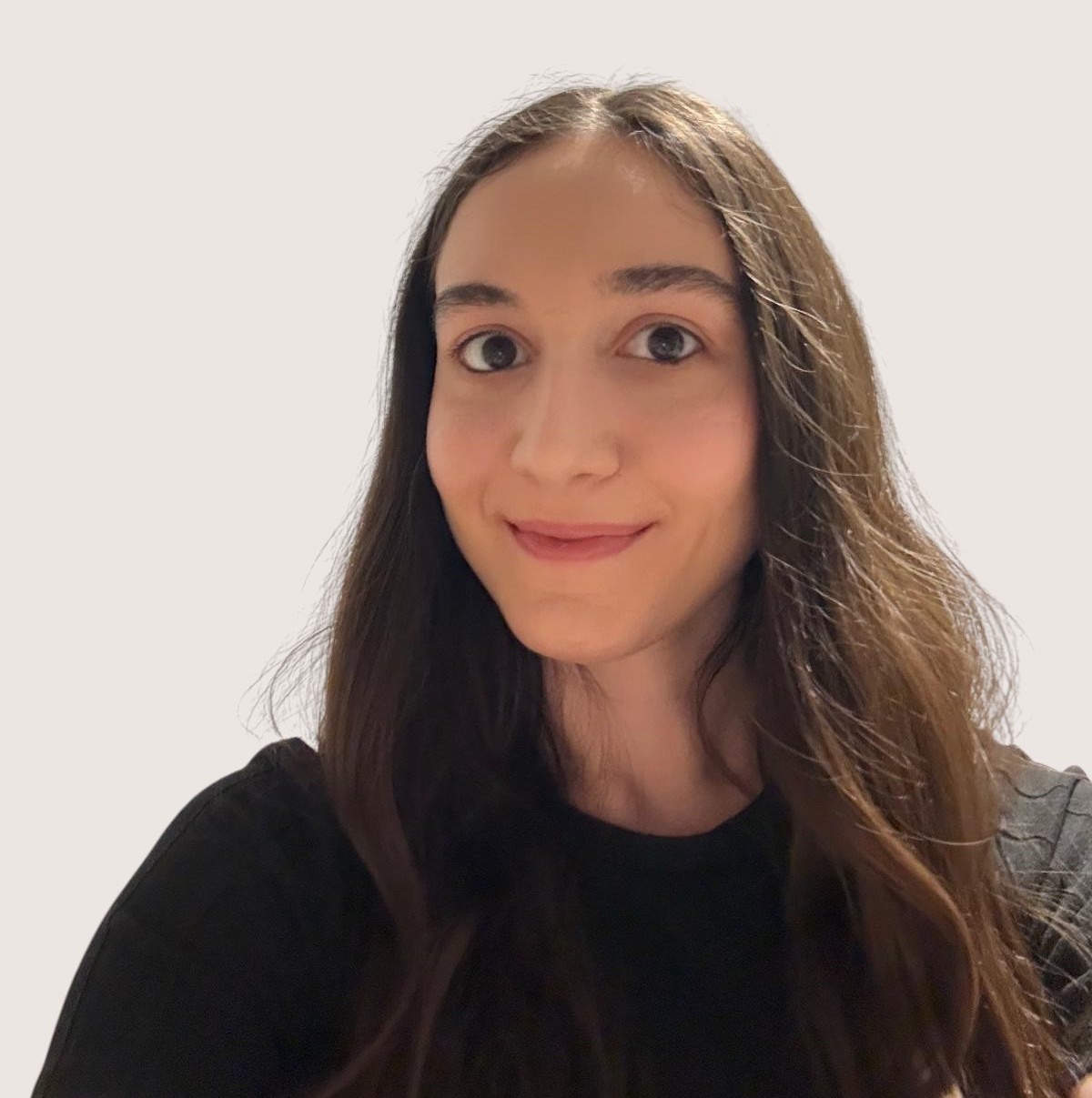 Zeynep Alpay |
Zeynep Alpay is an Electrical and Electronics Engineering student at Bilkent University in Turkiye, originally from Izmir. Her academic interests focus on artificial intelligence and its applications in healthcare, particularly in medical imaging and trustworthy AI systems. She is currently conducting undergraduate research on deep learning methods for diffusion MRI distortion correction, where she explores attention-based neural architectures to improve image reconstruction. She has also worked on machine learning and optimization problems during her research internship at UMRAM (National Magnetic Resonance Research Center). She aims to contribute to the development of reliable AI systems for medical decision support and biomedical imaging. |
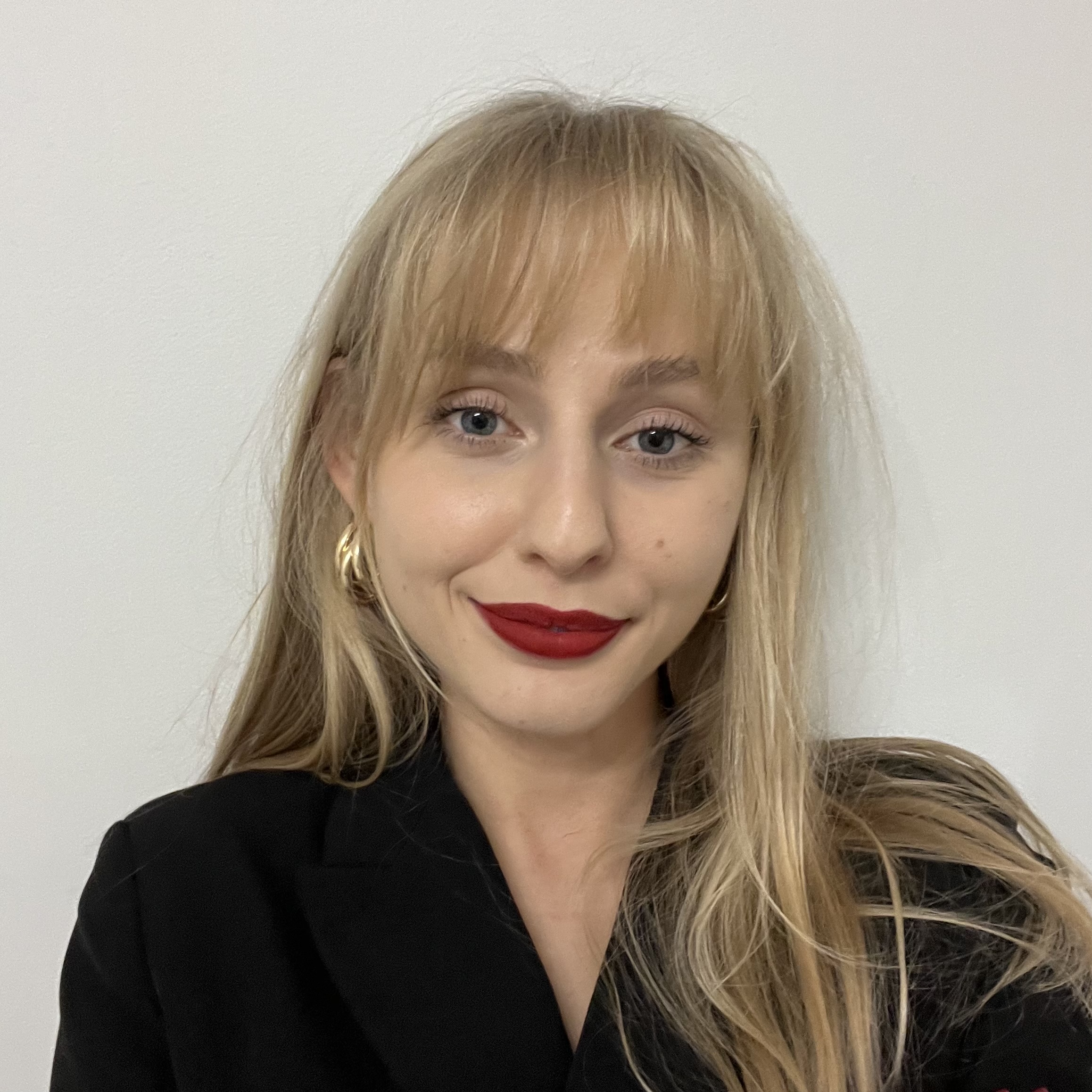 Martyna Baran |
Martyna Baran is an AI Engineer and M.Sc. student in Computer Science and Intelligent Systems at the AGH University of Krakow. Her research focuses on the application of artificial intelligence to biomedical problems, particularly in clinical decision support and digital phenotyping. As a scientific researcher she develops predictive models for Parkinson's disease using multimodal data,including speech, motor, and eye-tracking signals. Beyond medical AI, Martyna has a strong interdisciplinary background in space biotechnology. She has contributed to analog space mission research, with her studies on plant development in simulated microgravity conditions published in Springer Nature proceedings and presented at the 75th International Astronautical Congress. Alongside her scientific endeavors, Martyna is a Data & AI Consultant and Software Engineer at Unit8, bringing over four years of commercial experience bridging engineering and business. Through her participation in initiatives like the International Summer Academy on AI in Healthcare, Medicine, and Biology, she aims to translate complex computational models into practical, ethically responsible solutions that support early diagnosis and improve patient quality of life. |
 Sara Barati |
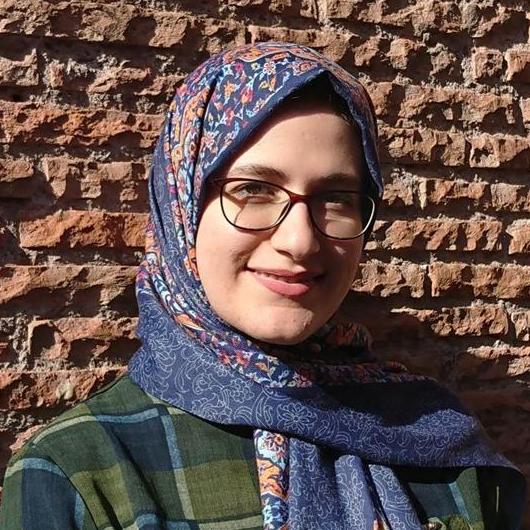
Dr. Sara Barati is a biomedical engineer specializing in AI-driven cardiovascular engineering. She holds a PhD in Biomechanics from Amirkabir University of Technology, where her award-winning thesis focused on optimizing transcatheter aortic valve stents. She has expertise in FEA, CFD, FSI, and optimization, and is currently a postdoctoral researcher at Politecnico di Milano developing machine learning models for cardiovascular applications. She is also the Founding AI/ML Scientific Development Lead at AllStent, working on digital twin–based platforms for personalized vascular treatment planning, with experience across academia, startups, and industry. |
 Jeddy Bennett |
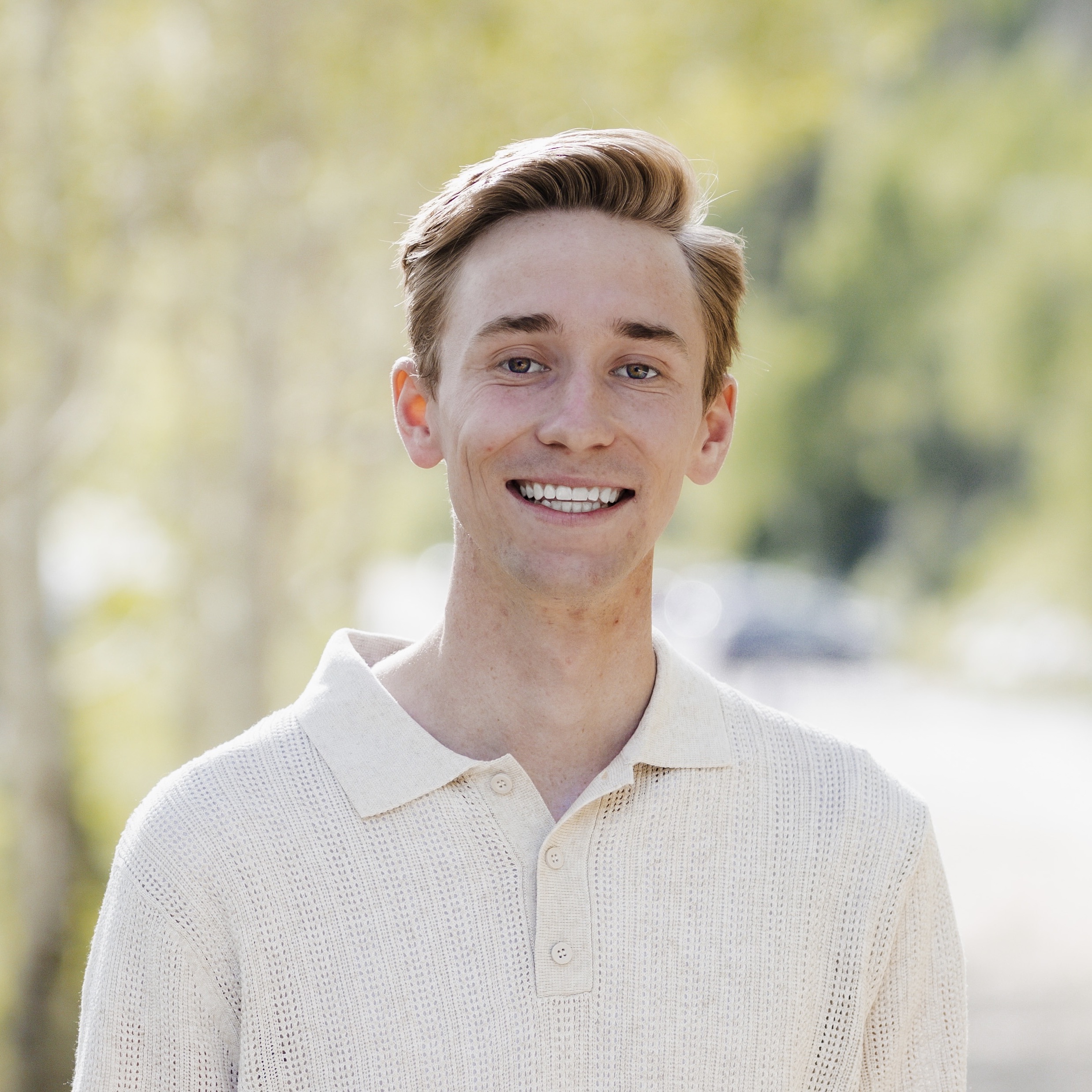
Jeddy Bennett is a BS/MS student in applied mathematics at BYU - Provo. He was just admitted to Stanford University to pursue a PhD in Biomedical Data Science. His research at BYU involves integrating spatial transcriptomics data into a mathematical model to model the dynamics of cancer hallmarks within the tumor microenvironment. Previously, he worked at MD Anderson Cancer Center in the Morfeus Lab, where he focused on out-of-distribution detection for clinically deployed CT segmentation models. Outside of academics, he's an avid runner, with a goal of running all 7 major marathons. |
 Alice Cerdeira |
Alice Cerdeira is a PhD candidate in Biomedical Engineering at the University of Canterbury in New Zealand, where she completed her undergraduate mechanical engineering degree with First Class Honours. Her background spans engineering, anatomy, microfluidics, and mathematical modelling through her undergraduate research projects and now, her PhD. Her current research focuses on optimizing cardiovascular system models to predict fluid responsiveness in ICU patients, aiming to reduce complications and mortality from septic shock. As part of this work, she has recently developed a dual artery identification method to estimate central pressures non invasively . Outside academia, Alice enjoys hiking, climbing, and puzzles, while also cultivating a long standing passion for art, both painting, and recently, taking up pottery. |
 Shen Chang |
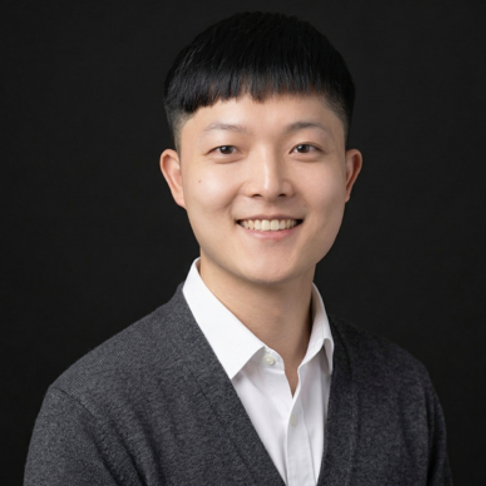
Shen Chang is a fourth-year PhD candidate in Biomedical Engineering at Purdue University, specializing in artificial intelligence for healthcare. His research focuses on developing AI systems that analyze and interpret complex human actions in clinical and training environments, with the goal of improving skill assessment and decision-making in healthcare. With an interdisciplinary background spanning electrical engineering, computer science, and biomedical engineering, his work bridges technical innovation and real-world clinical application. He is currently leading the development of CLARA, an AI-enabled framework for automated clinical skill validation, which leverages multimodal learning and clinical knowledge integration to enhance the scalability and reliability of healthcare training. Driven by a strong interest in human-centric AI, his research aims to translate complex data into actionable insights that improve both clinical performance and patient outcomes. He is particularly interested in advancing AI systems that are interpretable, reliable, and deployable in real-world healthcare settings. |
 Miles Churchland |
Miles Churchland is a senior at Reed College studying computer science, with research interests in computational neuroscience, machine learning, dynamical systems, and biologically grounded models of information processing. His thesis work investigates connectome-based reservoir computing, focusing on how biological network structure and synaptic organization shape the robustness of reservoir-computing systems across hyperparameter regimes. After graduating, he plans to pursue graduate study in computational neuroscience in Europe and continue research at the intersection of artificial intelligence, neural computation, and biological systems. |
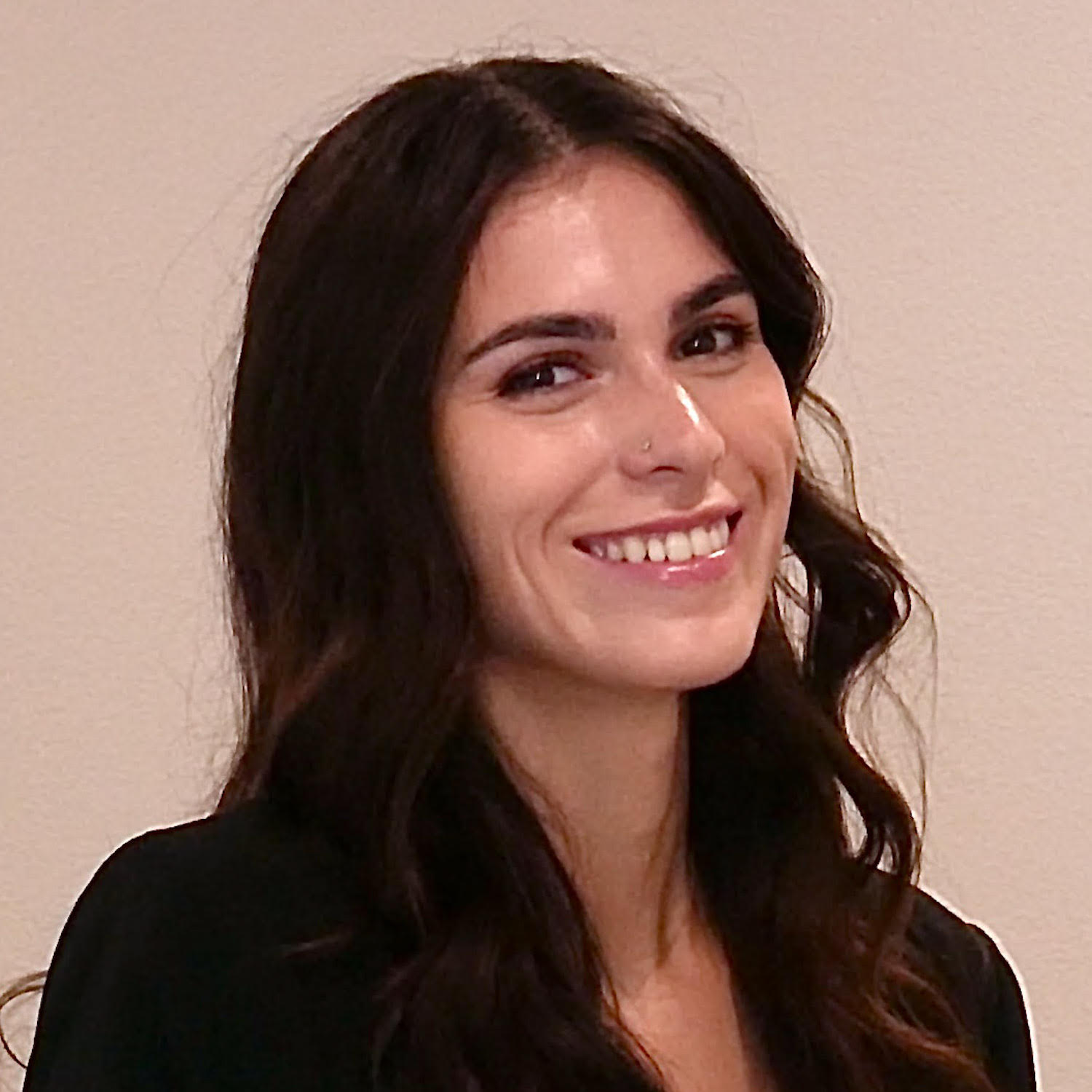 Solana Fernandez |
Solana Fernandez is a Master’s student in Bioengineering at the University of California, San Diego specializing in computational neuroscience and biomedical machine learning. Her research focuses on applying artificial intelligence to clinical neurology, including the use of large language models to structure EEG reports and the development of transformer-based algorithms for automated seizure detection. Previously, she worked as a research scientist in the Buffalo Lab at the University of Washington, where she investigated neural mechanisms of learning and memory through electrophysiological recordings in hippocampus of non-human primates. Her work aims to bridge neuroscience, machine learning, and clinical practice to develop AI-driven tools that improve neurological diagnosis and patient care. |
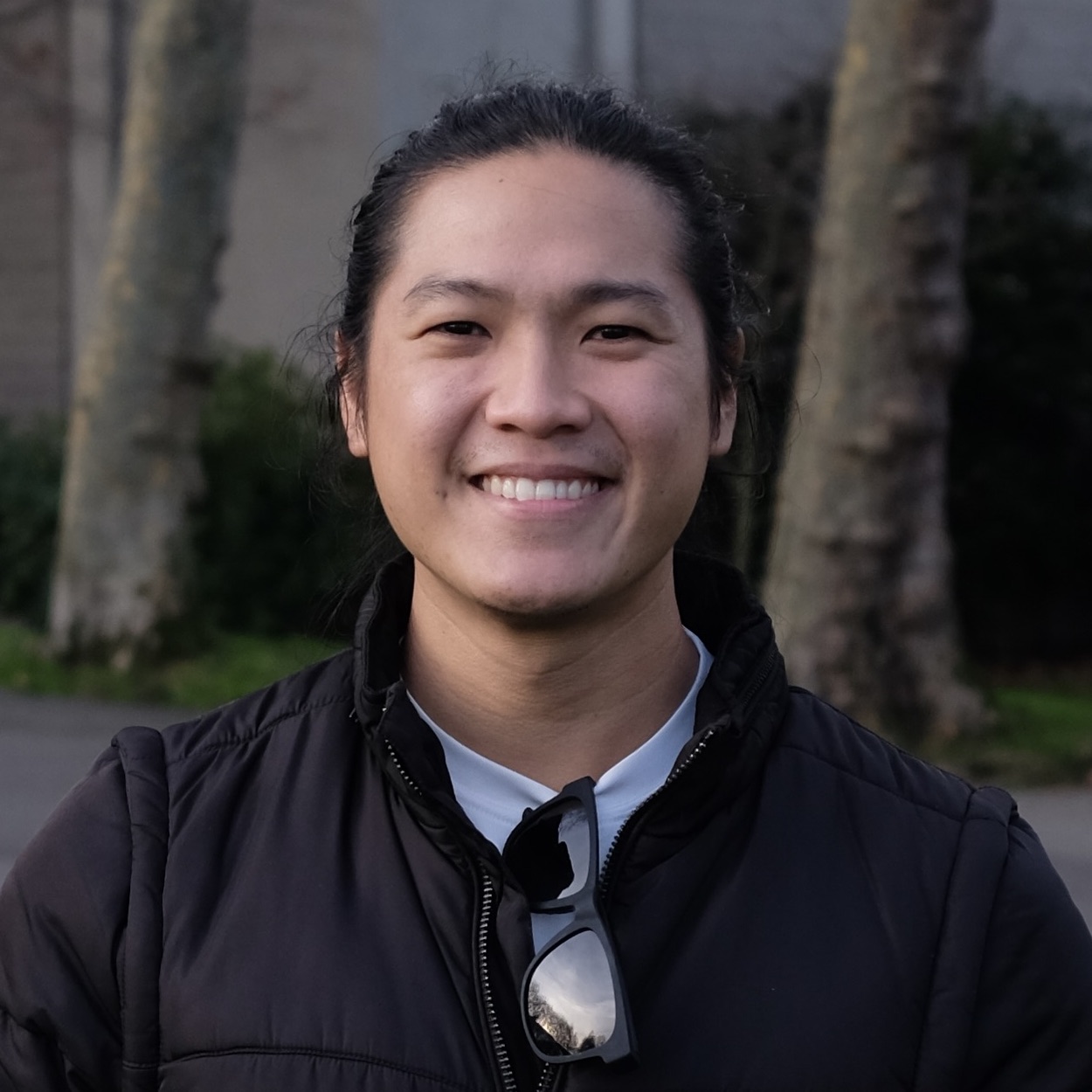 Nigel Foo |
Nigel Foo is a PhD candidate in Biomedical Engineering at the National University of Singapore (NUS), working in the Digital Medicine Lab under the supervision of Professor Dean Ho. His research focuses on artificial intelligence-derived approaches for personalized medicine, particularly in the field of small-data and N=1 methodologies that provides recommendations for therapeutic interventions based on only individual patient responses. He contributes to the development and evaluation of CURATE.AI, a mechanism- agnostic, interpretable, AI-derived platform for dynamic dose optimization across therapeutic areas including oncology, post-transplant immunosuppression, and cardiometabolic disease. His work also explores digital longevity medicine and computational approaches for dynamic health and healthcare strategies. Nigel’s research aims to translate AI- driven clinical decision support tools into healthcare applications that enable more data-driven and personalized treatment. |
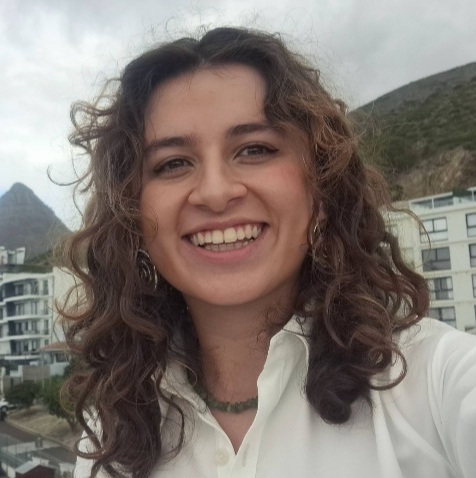 Andrea Gomez |
Andrea Gomez is a Master's student in Biological and Biomedical engineer focused on improving access to healthcare through technology. At McGill University, she develops AI-based methods to enhance the interpretation of rapid diagnostic tests for infectious diseases. She is the founder of Selva, an initiative dedicated to bringing rapid, accessible diagnostics to underserved communities across the Global South. |
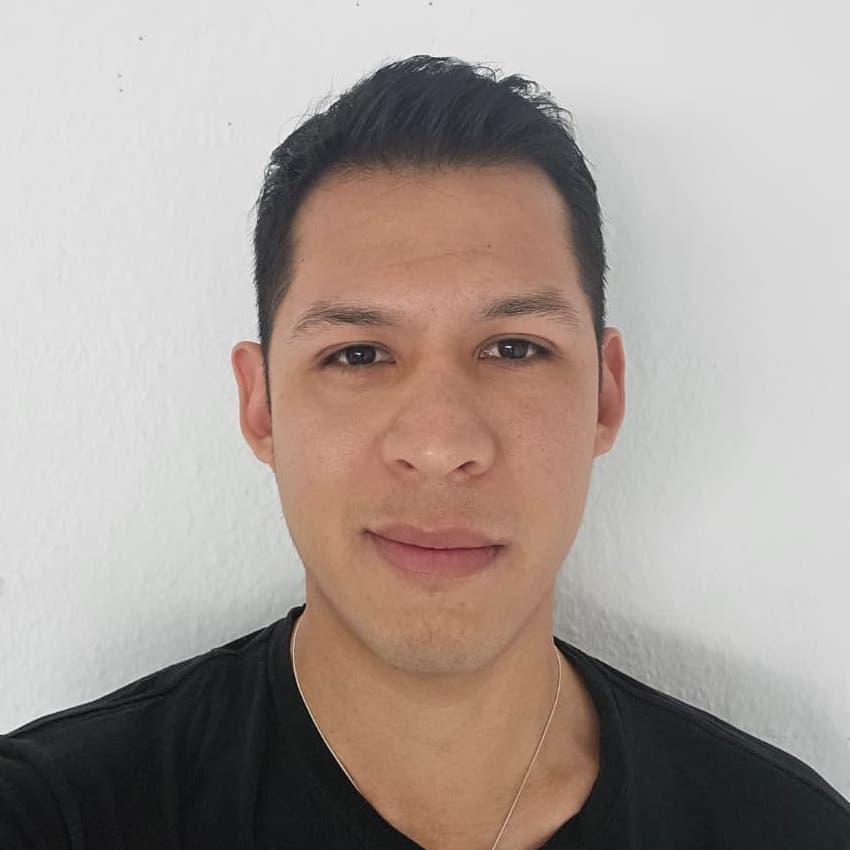 Jose Jesus Hernandez Gloria |
Jose Jesus Hernandez Gloria is a PhD candidate at the University of Freiburg, affiliated with the Institute of Microsystems Engineering (IMTEK), and a research associate in Prof. Dr. Natalie Mrachacz-Kersting’s group at the Department of Neuroscience in Sport and Exercise, Institute of Sport and Sport Science (IfSSW). He completed his undergraduate studies in Biomedical Engineering at Universidad Iberoamericana in Mexico City, focusing on signal and image processing and rehabilitation. In 2021, he moved to Freiburg, Germany, to pursue a Master of Science in Neuroscience at the University of Freiburg. His research centers on motor learning, neurorehabilitation, and brain–computer interfaces, with interests in machine learning and research software development aimed at advancing clinically relevant technologies for people with disabilities. |
 Irmina Lepiarczyk |
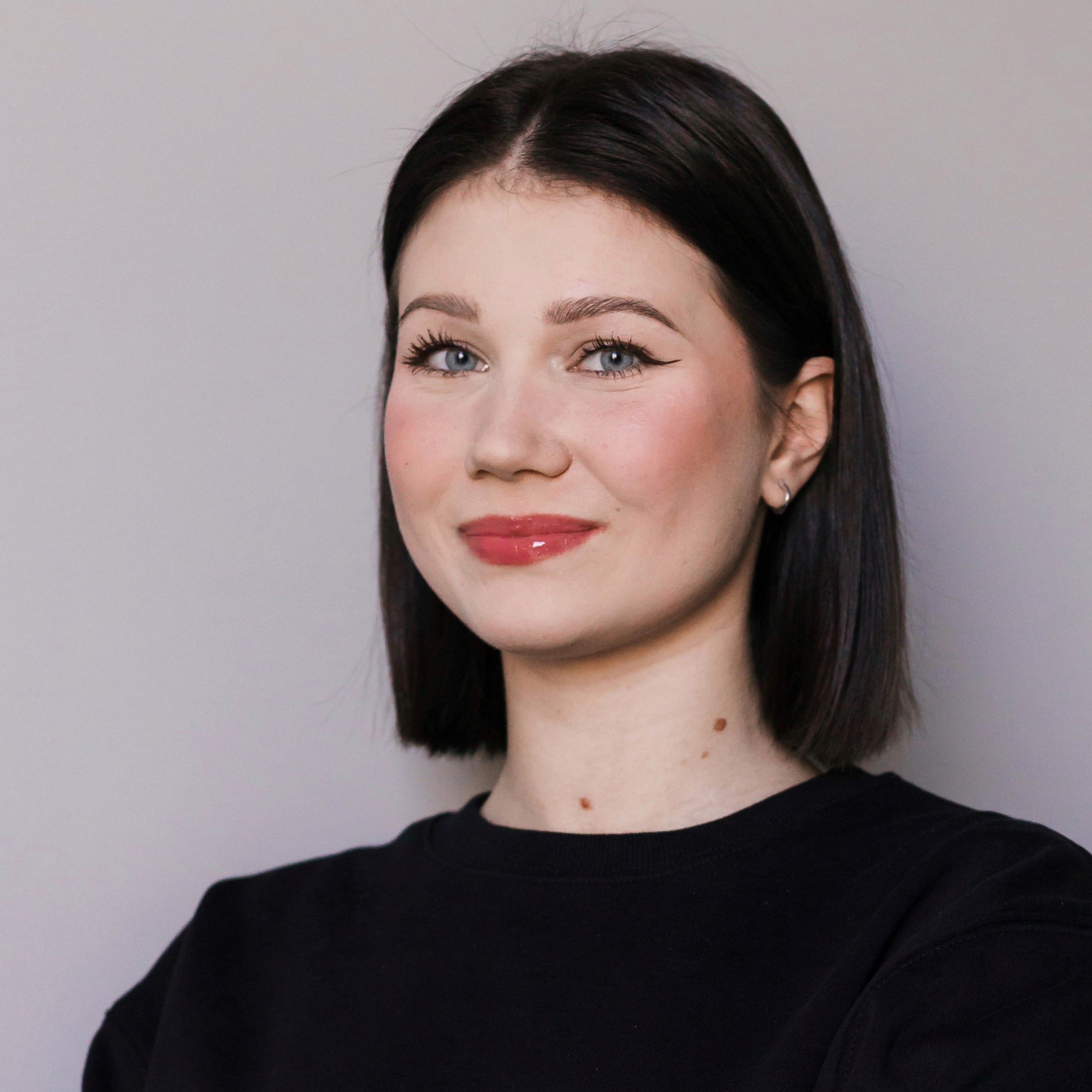
Irmina Lepiarczykis a first-year Master's student in Biomedical Engineering with a specialization in Information Systems in Medicine at the Silesian University of Technology in Poland, where she also completed her Bachelor's degree. Her research interests lie at the intersection of artificial intelligence and medicine, with a focus on medical image analysis and deep learning. She is passionate about making STEM accessible to young people and currently works as a STEM educator for primary school children, believing that early exposure to technology can be genuinely transformative. Outside of academia, Irmina is a member of an art studio in her hometown, where she practises printmaking, primarily linocut and drypoint. She believes that curiosity and creativity are as important in research as they are in art, and tries to bring both to everything she does. |
 Maggie Lin |
Maggie Lin is a Bioengineering master's student at UC San Diego, where she works at the Swartz Center for Computational Neuroscience applying deep learning to neural decoding, including EEG-based diagnostics and algorithm development for mental illness and Alzheimer's Disease. Her background spans statistics, signal preprocessing, and testing brain decoding systems under messy, real-world conditions. Outside the lab, she mentors K-12 students at science fairs, and having grown up between Long Island, New York and Taiwan, she's found her home in San Diego, where she enjoys tennis and beach days with friends. |
 Yuhan Liu |
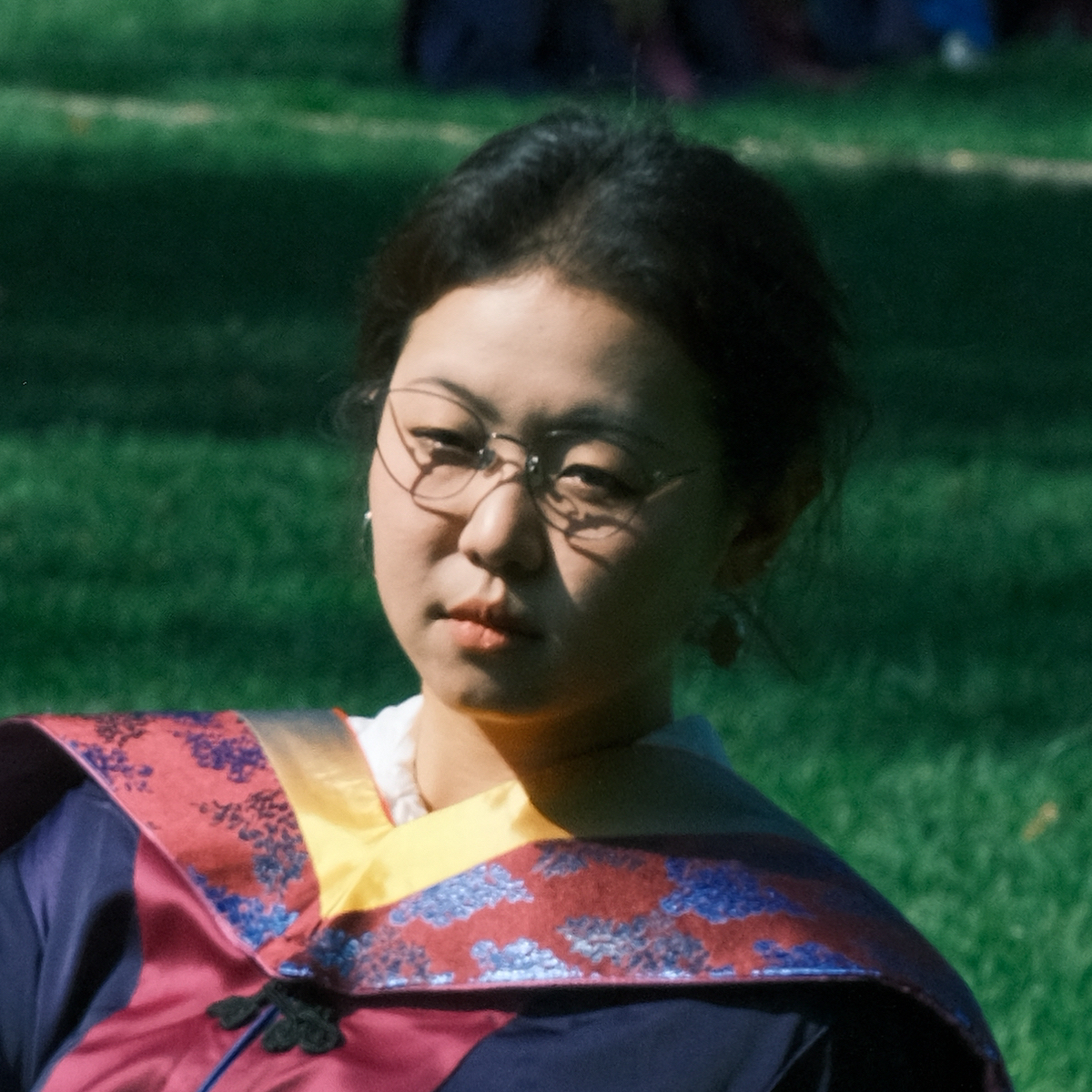
Yuhan Liu is a first-year PhD student in Biomedical Engineering at the National University of Singapore (NUS). Her research is dedicated to building sequencing-compatible bioengineering platforms to improve the resolution of molecular and cellular measurements. She earned dual bachelor’s degrees in Chemical Biology and Biomedical Engineering from Tsinghua University, where she worked on patient-derived cancer organoids. Passionate about the transformative potential of artificial intelligence in healthcare, she is eager to contribute to the advancement of AI applications in healthcare and biomedical engineering and to make meaningful impact in these fields. Outside of research, she enjoys reading, writing, singing and sports. |
 Shubh Mehta |
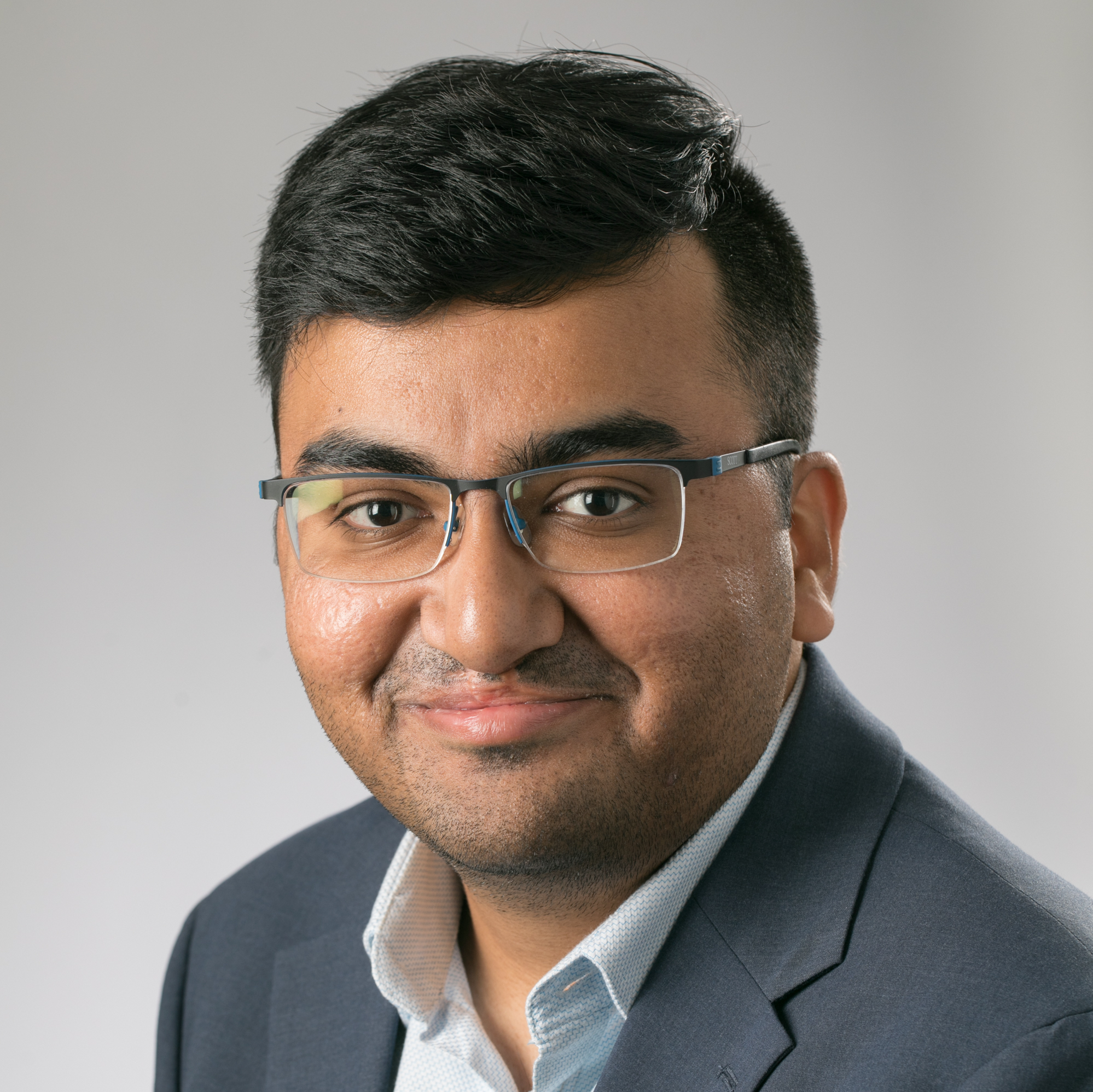
Shubh Mehta, a second-year PhD student in the Weldon School of Biomedical Engineering at Purdue University, works on developing AI-enabled echocardiographic biomarkers for pediatric thoracic aortic aneurysms. He received his MS in Biomedical Engineering from Columbia University in the City of New York, where he worked on developing deep learning techniques for automated detection of focused ultrasound-induced blood-brain barrier openings on DCE-MR images. His doctoral research focuses on advancing non-invasive imaging analysis to better understand how vascular structure and biomechanics change during disease progression, especially in hereditary aortopathies. By integrating deep learning with echocardiographic imaging and other clinical data, his work aims to identify earlier and more sensitive indicators of aneurysm risk, enabling improved monitoring and more personalized clinical decision-making. Conducted within Purdue BME's Cardiovascular Imaging Research Laboratory (CVIRL) under Craig Goergen, PhD, in collaboration with Yale pediatric cardiologist, Benjamin Landis, MD, this research aims to bridge engineering innovation and patient care. His work contributes to the broader goal of translating advanced imaging and computational methods into clinically actionable tools that improve outcomes for children with cardiovascular disease. Outside of research, he enjoys photography, cooking, and trying global cuisines. |
 Seyedeh Somayyeh Mousavi |
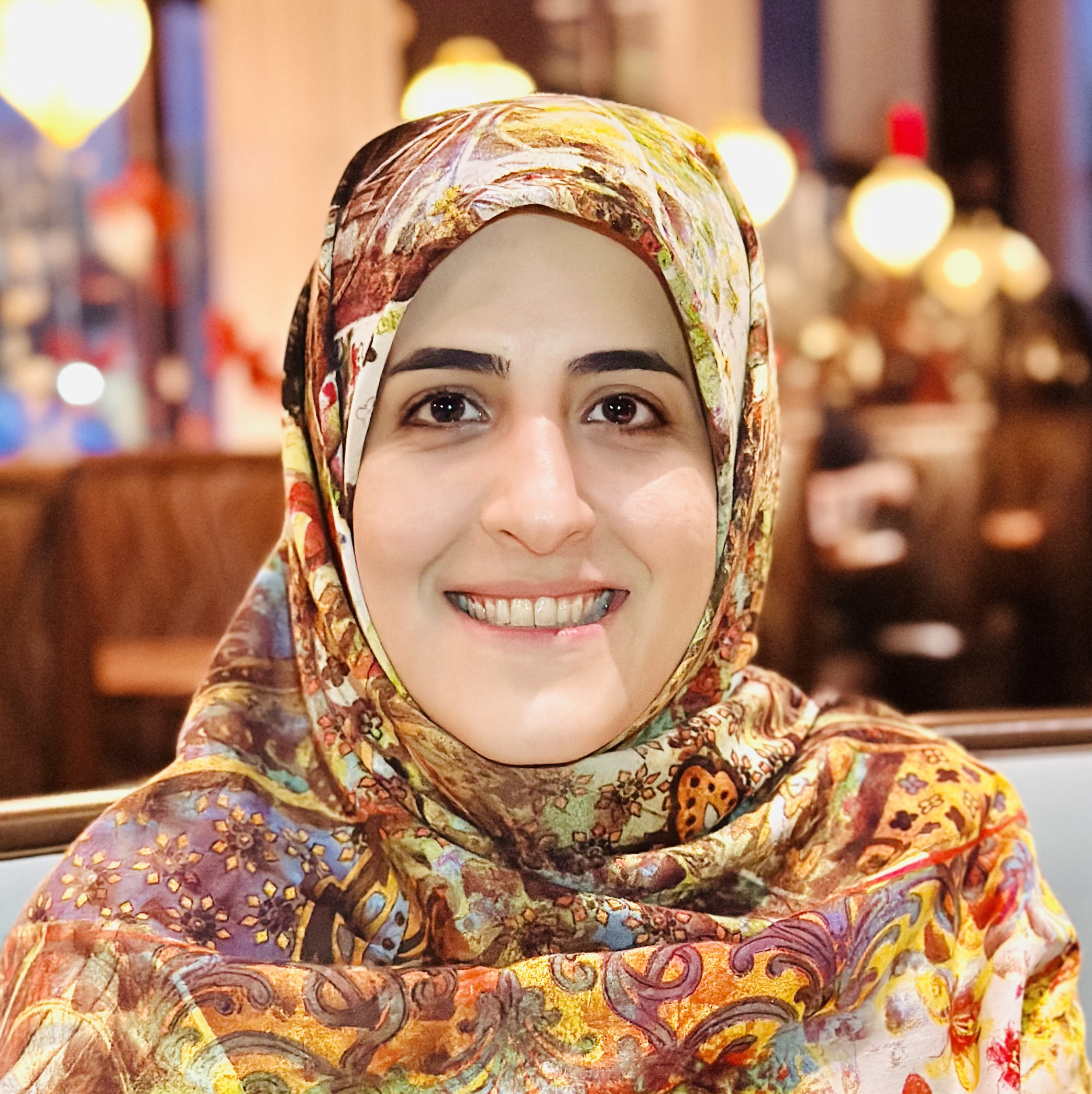
Seyedeh Somayyeh Mousavi is currently a PhD candidate in Computer Science and Informatics at Emory University (2022–present). She holds a double Master’s degree in Biomedical Engineering and Computer Science and Informatics from Zanjan University (2018) and Emory University (2025), as well as a Bachelor’s degree in Electrical Engineering from Zanjan University (2014). Her Master’s project focused on developing a portable, non-invasive blood pressure (BP) monitoring system using biosignals. The goal was to continuously estimate blood pressure over long periods using Artificial Intelligence (AI) models, leveraging a combination of biosignals such as electrocardiogram (ECG) and photoplethysmography (PPG), to improve remote health monitoring and patient care. In her PhD research, she aims to develop Machine Learning (ML) and Deep Learning (DL) approaches for cardiovascular disease applications from both cross-sectional and longitudinal perspectives, incorporating BP measurements and ECG recordings as key biosignals. |
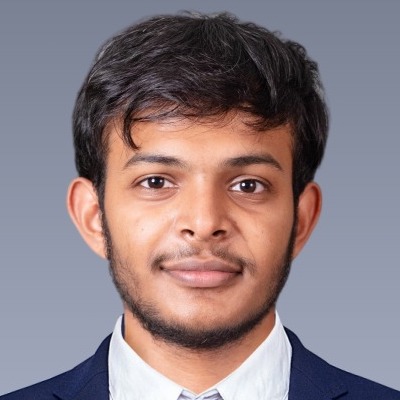 Siddhardha Nanda |
Siddhardha Nanda is a Master’s student in Biomedical Engineering at Columbia University, working at the intersection of artificial intelligence, biomedical imaging, and clinical data analysis. In the Heffner Biomedical Imaging Lab (HBIL) under Dr. Andrew Laine, he develops deep learning models for pancreatic tumor detection and segmentation from preclinical imaging datasets and works on retinal imaging analysis for early disease characterization. In the Laboratory for Intelligent Imaging and Neural Computing (LIINC) under Dr. Paul Sajda, he designs human-AI interaction experiments using eye tracking and behavioral data to study trust, decision making, and performance in AI assisted systems. He also works in the Fowler Memorial Laboratory (FML) under Dr. Olson on implantable biomedical devices, including signal acquisition and integration strategies for fully implantable cochlear implant systems. His broader interests focus on building AI driven diagnostic and predictive healthcare technologies by integrating imaging, clinical data, and sensing systems, with the goal of improving early diagnosis, clinical decision making, and patient outcomes. |
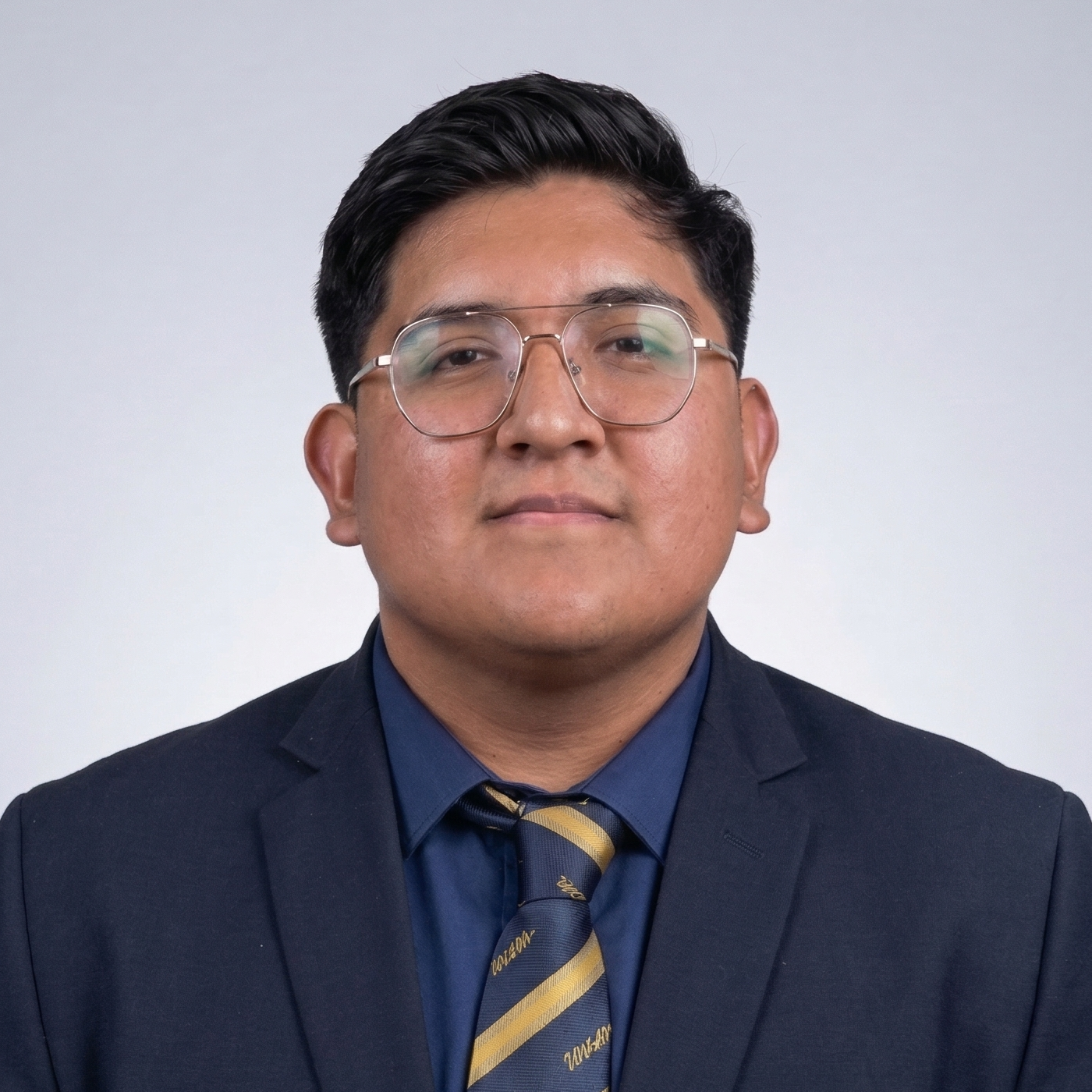 Miguel Angel Navarrete Quintanilla |
Miguel Angel Navarrete Quintanilla is an eighth-semester Biomedical Systems Engineering student at the National Autonomous University of Mexico (UNAM), specializing in Clinical Instrumentation. Growing up in Mexico City, he developed a profound fascination with technology and a determination to address the inequalities within the public healthcare system. His research interests lie at the intersection of medical data science, artificial intelligence, and edge computing hardware. He is the co-inventor of an AI-based device for the detection and classification of arrhythmias through the estimation of morphological biomarkers, which received the Mexican Innovation Award from the Mexican Institute of Industrial Property (IMPI) in 2025. Driven by a commitment to accessible healthcare technologies, Miguel actively engages in social impact initiatives. He currently serves as the Vice President of his university's Biomedical Systems Engineering Student Society (SOSBI), where he mentors students and leads technical workshops. |
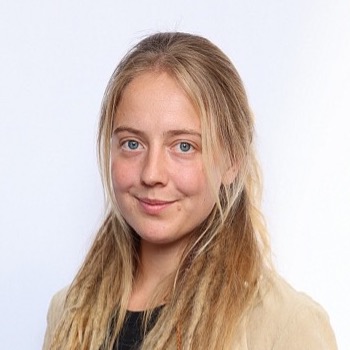 Anna-Katharina Nitschke |
Anna-Katharina Nitschke completed her Bachelor and Master of Science in Physics at the Ruprecht Karls-University Heidelberg, specializing in theoretical biophysics, machine learning, and computational physics. Alongside her academic training, she gained interdisciplinary research experience in biophysics, environmental physics, and neuroscience at several research institutes. Her Master’s thesis, “Digital Twins of Patients in Urology – A Proposed Architecture,” was conducted in collaboration with clinical, academic, and industry partners and laid the foundation for her current doctoral research. Her current dissertation at the Institute of Physics at the University Heidelberg, “Between Hype and Reality: Digital Twins and Machine Learning for Health Science,” critically investigates the conceptual and methodological foundations of AI-driven Digital Twins in medicine. Her work focuses on developing scalable, modular, interpretable architectures for digital twins as AI-based clinical decision support systems in personalized medicine. In parallel, she applies supervised and unsupervised machine learning methods to public and global health data in low-resource settings, including multimorbidity profiling, population segmentation, epidemiological modeling, and health system strengthening. By linking individual-level modeling with population-level analysis, she aims to bridge precision medicine and global health through systems-oriented AI approaches. |
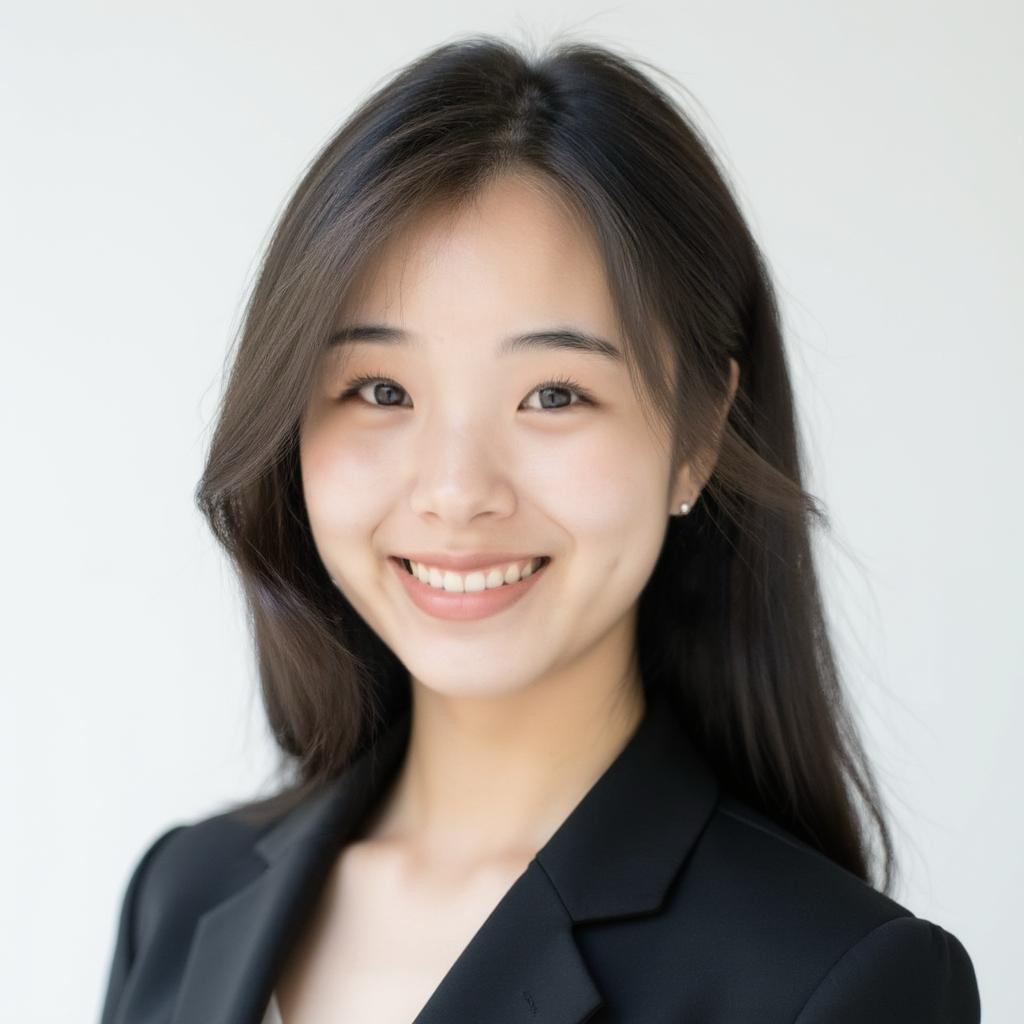 Soomin Park |
Soomin Park is a Master’s student in Biomedical Engineering at Columbia University. She earned her Bachelor’s degree in Biological Sciences from the University of Rochester. Her current research focuses on advancing deep learning methods for medical imaging in the Heffner Biomedical Imaging Lab under the guidance of Dr. Andrew Laine. Her work explores the use of optical flow features to improve segmentation performance in 3D ultrasound imaging. She is interested in leveraging AI and multi-modal biomedical data to improve disease diagnosis, optimize clinical workflows and advance precision medicine. Outside of research, she enjoys reading and choreographing. |
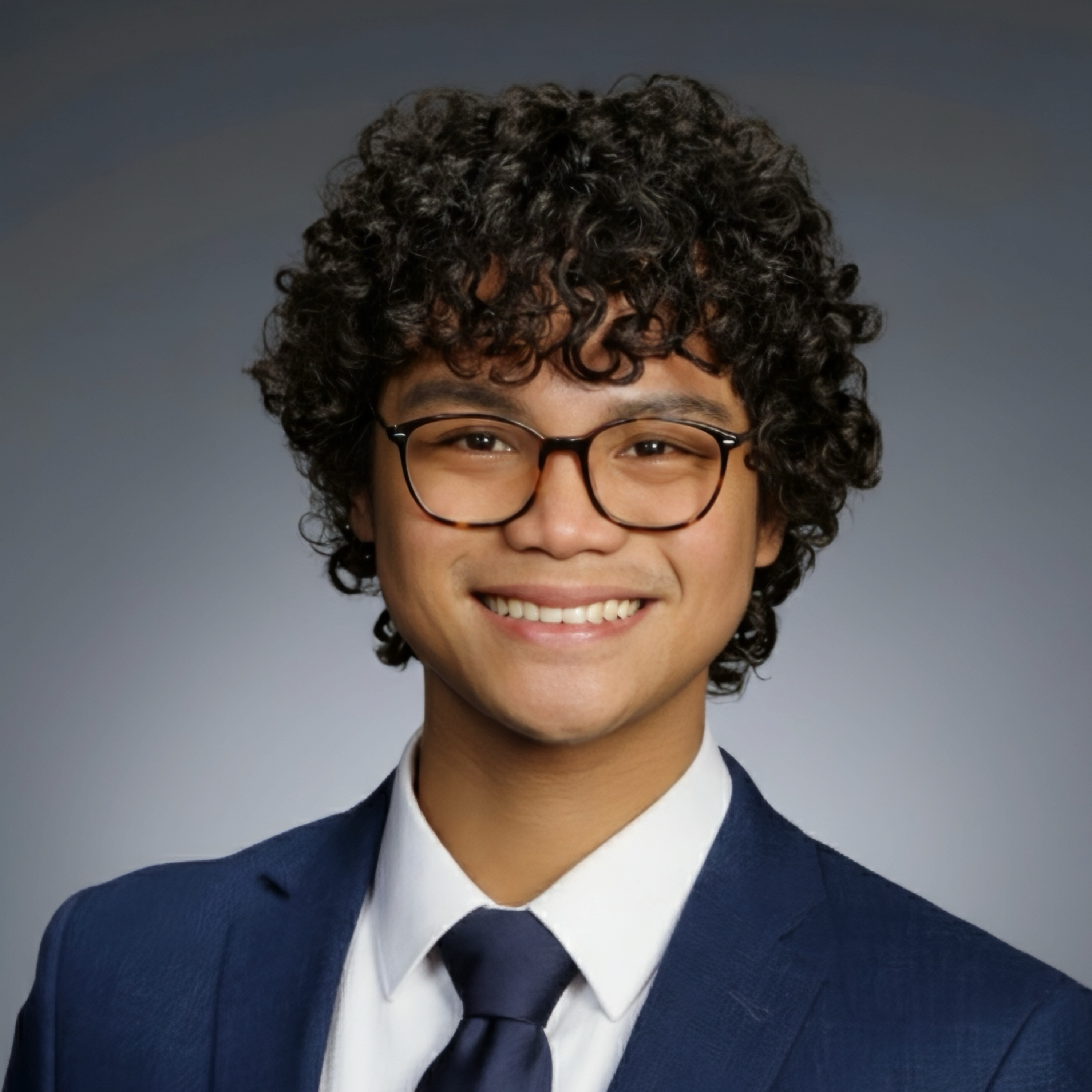 Andre Perez |
Andre Perez is a senior studying Biomedical Engineering at Columbia University, where he specializes in bioinstrumentation and med-device innovation. Originally from the Philippines, his commitment to equitable healthcare access is deeply personal, shaped by firsthand experiences with limited medical infrastructure. At Columbia, he has conducted research on developing a focused ultrasound surgery platform for breast cancer treatment and developed a low-cost HIV diagnostic device for resource-limited settings. He has interned multiple summers at Medtronic, working on glucose sensor development, insulin pump systems, and surgical robotics. He is the founder of LionHealth, Columbia’s first medical engineering organization dedicated to designing patient-centered technologies for underserved communities. Outside of science, Andre loves being active either through running or surfing, cooking good food, and travelling. |
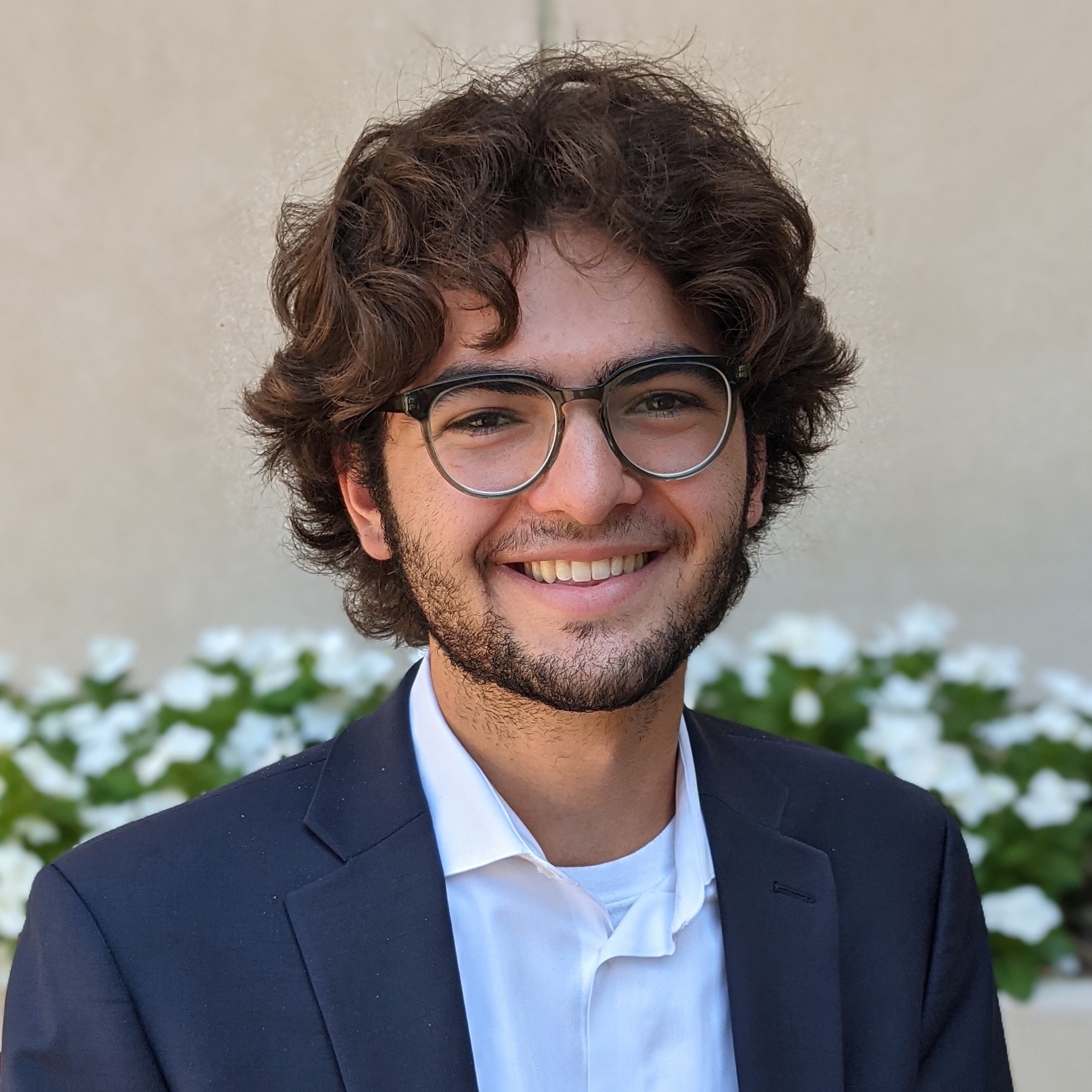 Ciro Randazzo |
Ciro Randazzo is an incoming MD/PhD student in the University of Pittsburgh/Carnegie Mellon University Medical Scientist Training Program. Having a unique mix of both technical and clinical skills, he hopes to support the healthcare system’s responsible, patient-first adoption of artificial intelligence systems. He has a wide range of research interests and experiences, spanning vocal-motor coordination, speech processing, and memory. His primary research interest lies in using brain-computer interfaces to understand how ensembles of neurons produce rich behaviors like speech and emotion. He previously received his MS in Biomedical Engineering from Columbia University and his BS in Cognitive Science from the University of Texas at Dallas. |
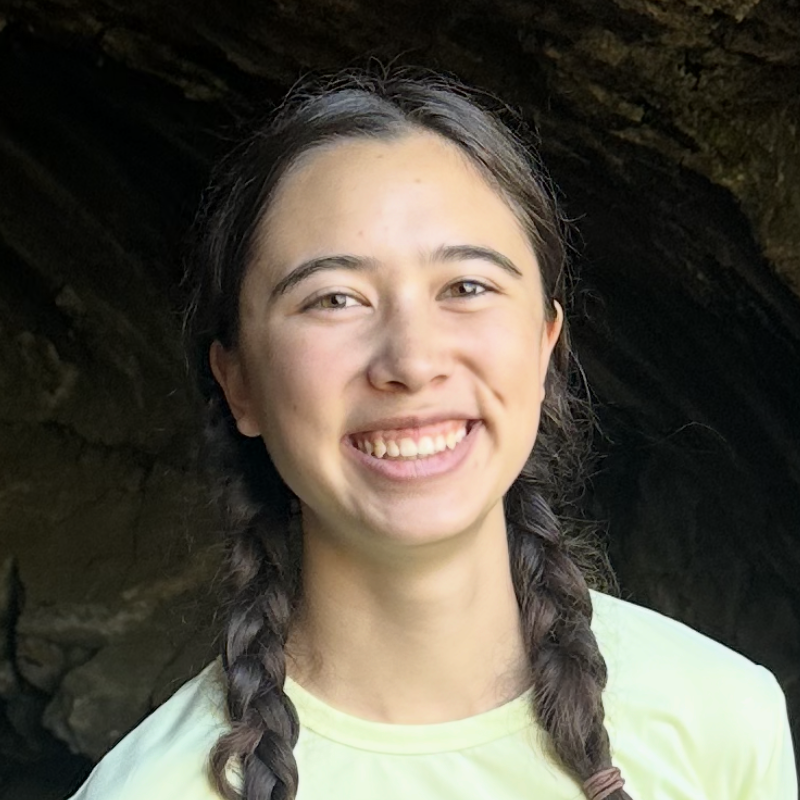 Kati Richter |
Kati Richter is a third-year undergraduate at UC San Diego studying bioengineering and bioinformatics. Her academic and research interests center on personalized medicine, with a focus on using computational biology to develop more precise and effective therapeutics for patients. In addition to her studies, Kati works in a lab researching sex differences in cardiovascular disease. Her work specifically investigates how hormonal and chromosomal factors uniquely influence heart failure. She also serves as the chair of the EMBS chapter at UC San Diego where she organizes speaker sessions and professional development activities for members. Outside of academics, Kati enjoys playing volleyball and running at the beach, as well as baking! |
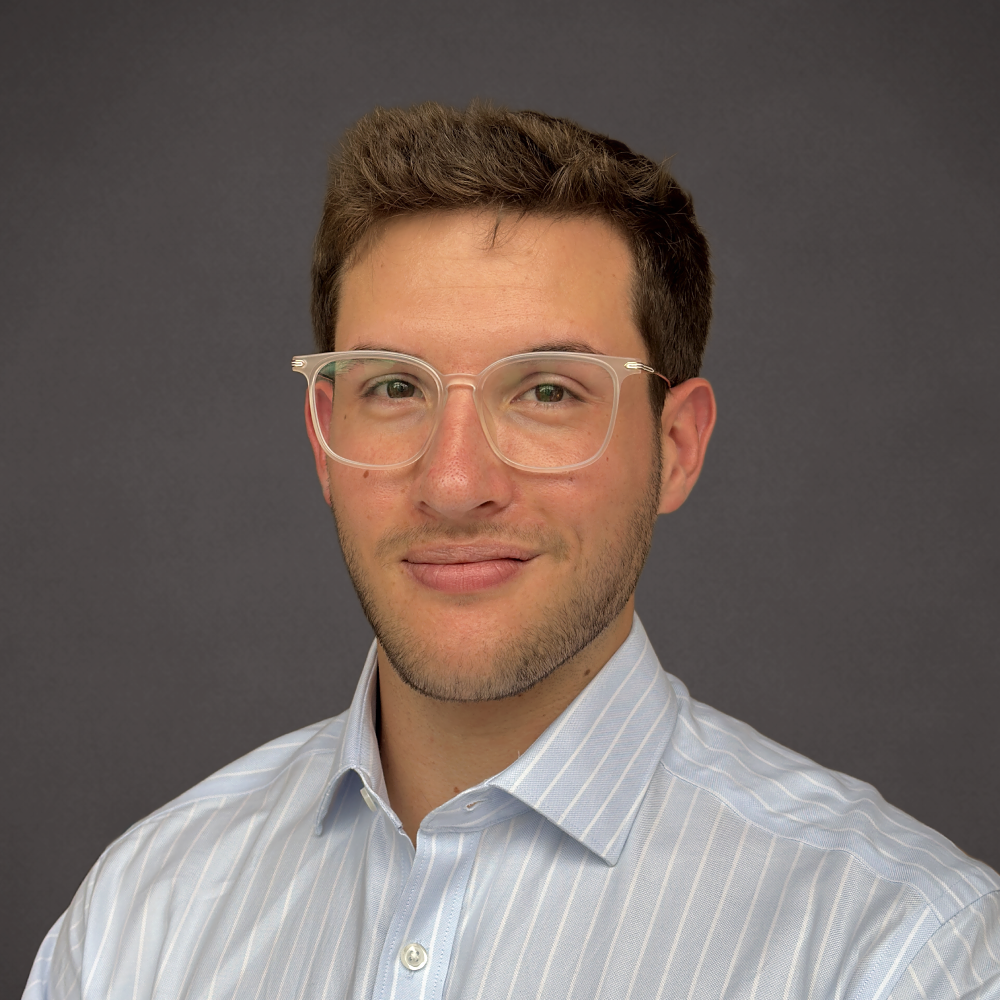 Benedict Robertson |
Benedict Robertson is a PhD candidate in Biomedical Engineering at the University of Canterbury, New Zealand. His research focuses on continuous glucose monitoring and sensor systems in critical care. Drawing on his experience as a pre-hospital emergency clinician and his role as a team leader with St John Ambulance, he bridges clinical expertise with engineering solutions. His work centres on developing automated tools to improve patient outcomes among the critically unwell. Outside of the lab, he has a passion for tramping and endurance running. |
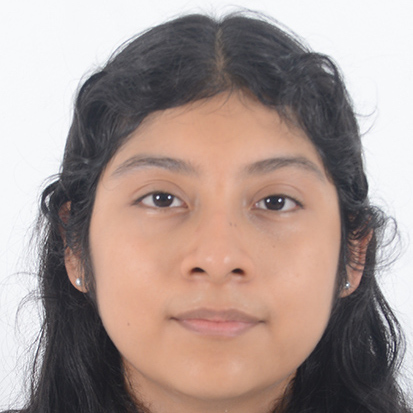 Joselyn Romero Avila |
Joselyn Romero Avila is a senior undergraduate student in Biomedical Engineering at the National University of San Marcos (UNMSM), Peru. Her research focuses on deep learning for medical image analysis and computational neuroscience, with an emphasis on structural brain connectivity mapping and multimodal neuroimaging. She conducts her undergraduate thesis at the LINC Lab (MIT / Harvard Medical School), advised by Dr. Anastasia Yendiki and supported by the NIH BRAIN Initiative LINC Fellowship, where she benchmarks foundation models for white matter analysis in high-resolution tracer histology. Beyond neuroimaging, she has conducted research in multimodal physiological signal processing, wearable health sensing, and clinical NLP at Cornell University, UC Davis, and the University of Applied Sciences Upper Austria. Her work has been recognized through awards including the 2025 MIT Hacking Medicine Google Health AI Prize (1st Place), the 2025 Cleveland NeuroDesign Workshop, the 2024 Ernst Mach Grant, the 2022 IEEE EMBS Best Student Chapter Worldwide, among others. She serves as Vice Chair of IEEE EMBS UNMSM, volunteer for IEEE EMBS Region 9 and IEEE Brain Peru. She also co-founded the first IEEE Signal Processing Society chapter at UNMSM, and is passionate about advancing equitable AI for healthcare across Latin America. |
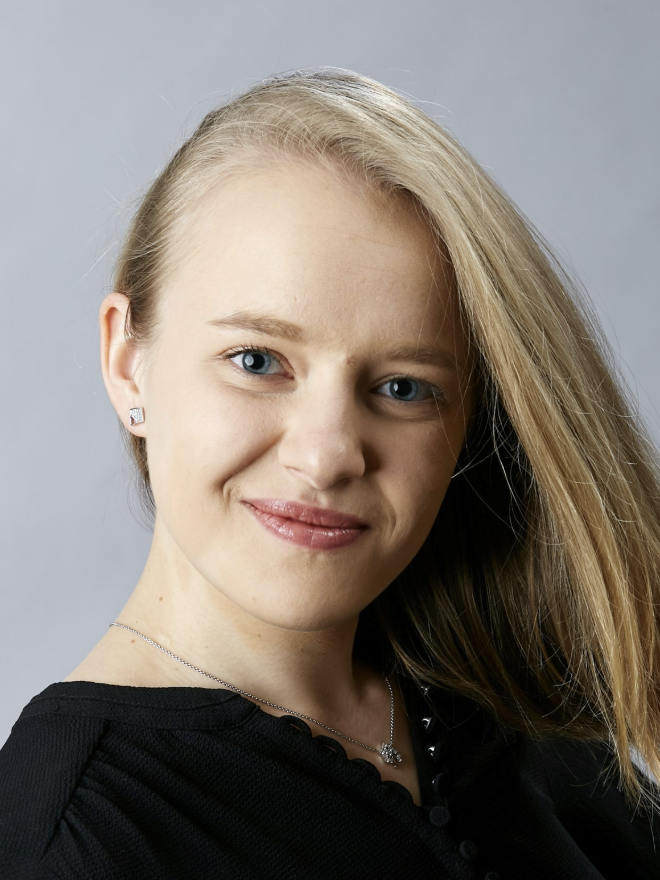 Joanna Stepien |
Joanna Stepien is a fourth-year Biomedical Engineering student at AGH University of Krakow. In her scientific work, she focuses primarily on speech signal analysis, with a particular emphasis on methods for detecting early signs of neurodegenerative diseases. Her research interests include signal processing, machine learning, and multimodal data analysis. So far, she has been involved in research projects utilizing mixed reality (MR) technologies to record and analyse complex data such as voice, body posture, tremors, and saccadic eye movements. Alongside her academic work, she gained experience as a Fullstack Developer Intern at A*STAR in Singapore and a Multimodal Processing Intern at Samsung R&D, working on medical data processing, audio analysis, and machine learning for healthcare. The results of her work have been presented at renowned international conferences, including IEEE VR, the European Signal Processing Conference (EUSIPCO), and Interspeech. In recognition of her achievements, she has received awards such as the Acoustical Society of America (ASA) Scholarship and the Scholarship of the Minister of Science and Higher Education. |
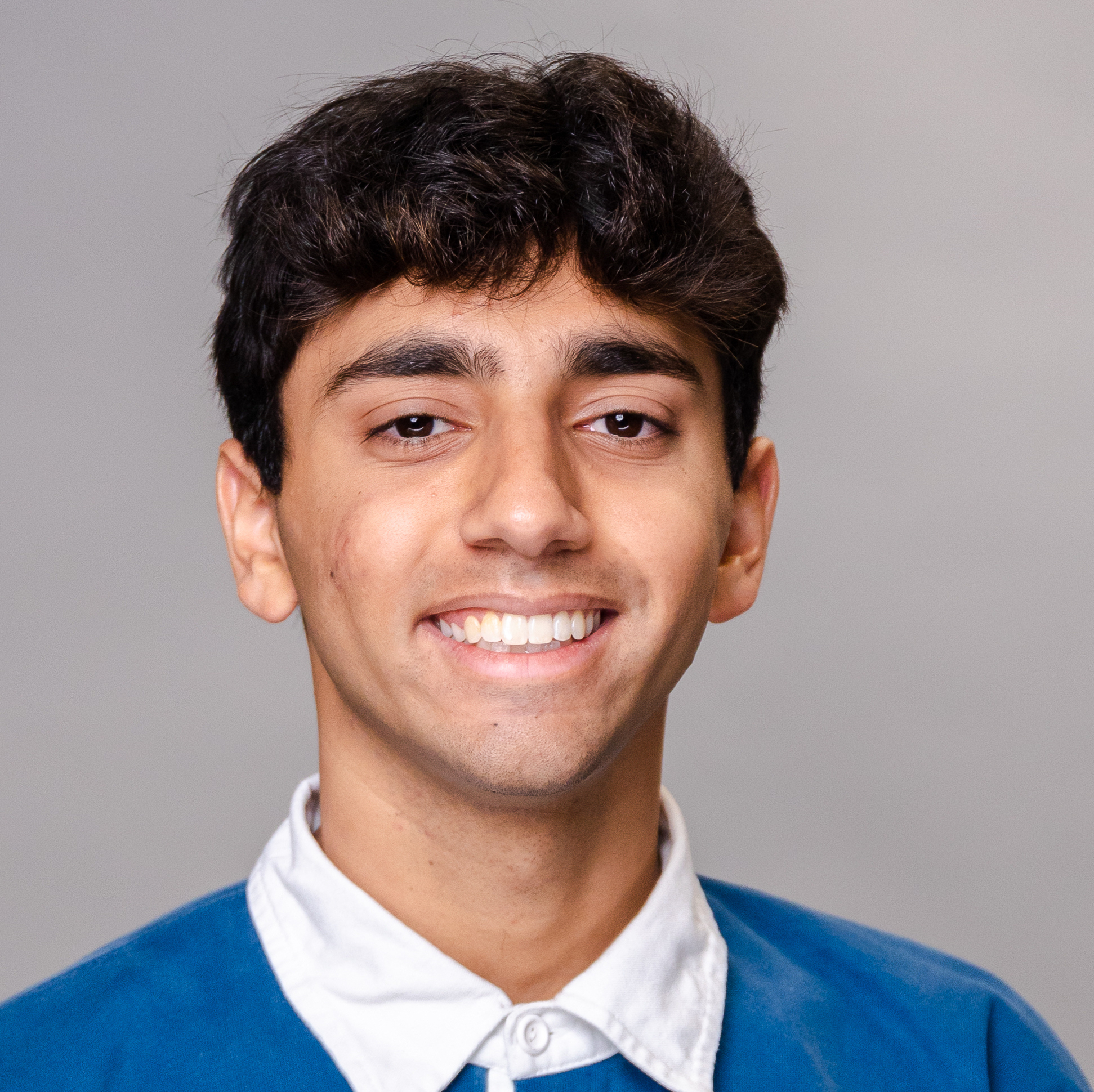 Dhruv Vaish |
Dhruv Vaish is a 2nd-year Ph.D. student in Electrical Engineering and Computer Science at UC Berkeley. His interests are in integrated circuits and systems for neuroscience. Specifically, he is interested in the design of specialized hardware for efficient and performant brain-computer interfaces, specifically in the codesign of algorithms and electronic systems, such as analog and digital integrated circuits. |
 Shilei Wang |
Shilei Wang is a Ph.D. candidate in Biomedical Engineering at the University of Sydney. He holds an M.Sc. from Imperial College London and a B.Eng. from the University of Nottingham. His professional background includes engineering roles at SG Micro Corp, Analog Devices (ADI), and Ericsson, focusing on high-precision analog design and low-power wireless systems. His current research is dedicated to developing unobtrusive sensor systems for long-term healthcare monitoring. He is specifically focused on integrating lightweight AI architectures for real-time, on-device intelligence, aiming to provide autonomous neuro-rehabilitation solutions for patients with mobility impairments. |
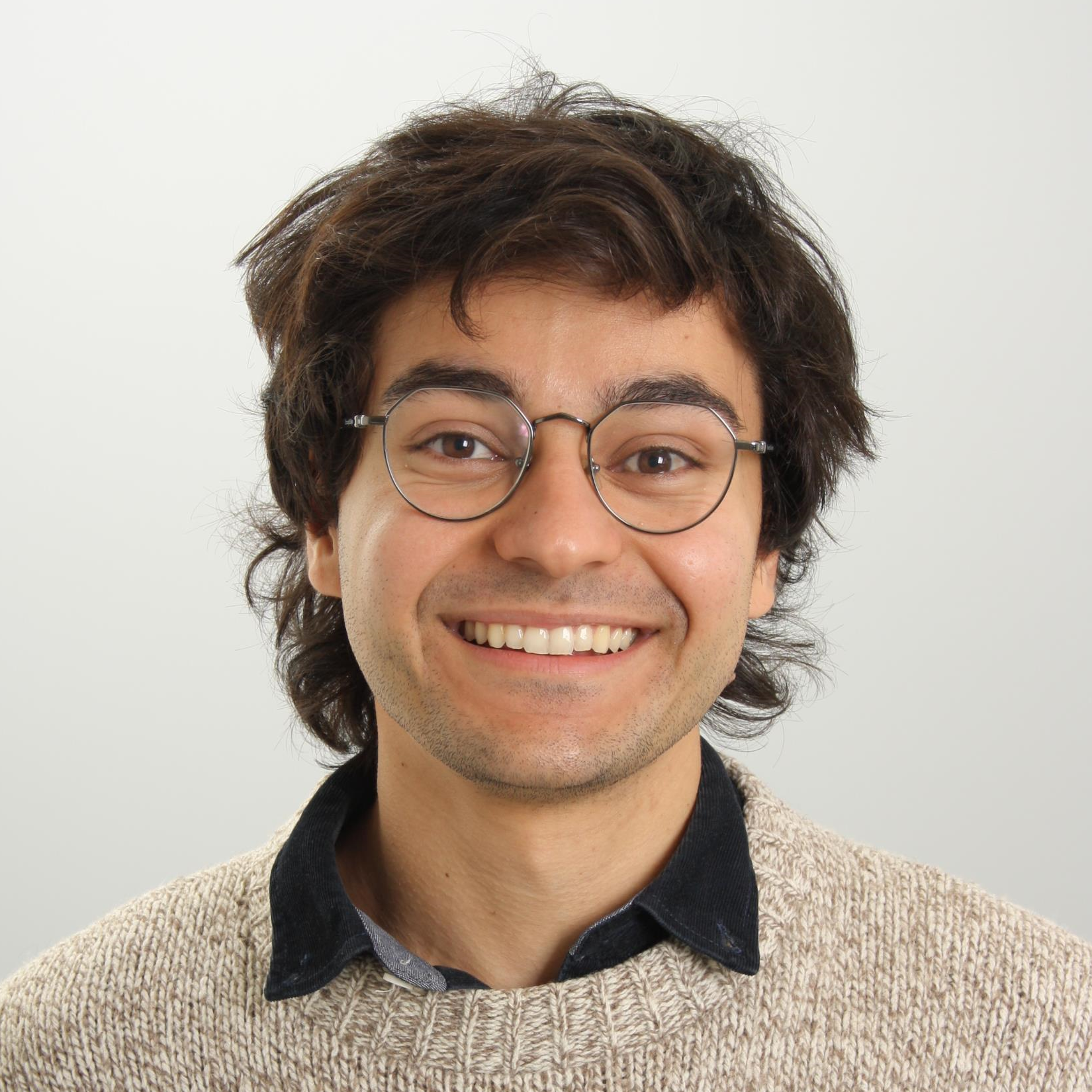 Sebastian Warma |
Sebastian Warma is a joint PhD candidate at ETH Zurich and Novartis in Switzerland. He completed his undergraduate studies in Neuroscience and Economics at the University of Toronto, and subsequently received a Master's degree in Neuroscience from ETH Zurich. During his Master’s, his work focused on neuromodulation in humans and the development of classifiers for a closed-loop brain-computer interface. Currently, his doctoral work focuses on the development and validation of wearable sensor technologies for Parkinson's disease, with the goal of integrating digital measures into late-stage clinical trials. In addition to his research, Sebastian enjoys teaching classes on wearable sensors, digital biomarkers and data science more broadly at the medical school. Bridging the industry-academia gap, Sebastian strives to advance the development of innovative medicines through the integration of novel technologies in medicine. |
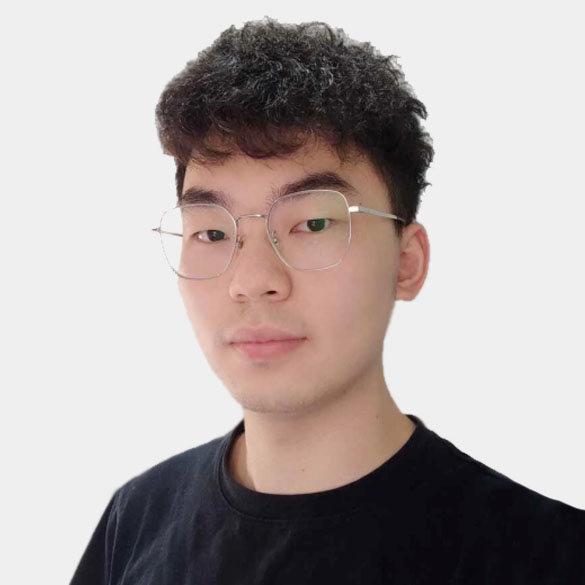 Zixiong Wu |
Zixiong Wu is a PhD student in Biomedical Engineering at the National University of Singapore (NUS) in Prof. Chwee Teck Lim’s lab. He develops human-centered healthcare technologies at the intersection of AI, mixed reality, and wearable devices. His current projects include a haptic-enhanced mixed-reality medical training platform featuring an LLM-driven virtual patient, where he works on dialogue flow, TTS–avatar lip-sync alignment, haptic I/O interfacing, and Unity integration to improve end-to-end system usability and stability. In parallel, he designs bistable SMA-based, skin-mounted multimodal haptic displays for low-power force feedback with applications in assistive navigation and XR. His research has contributed to publications in Advanced Materials, Advanced Functional Materials, Communications Materials, and Advanced Science, among others. |
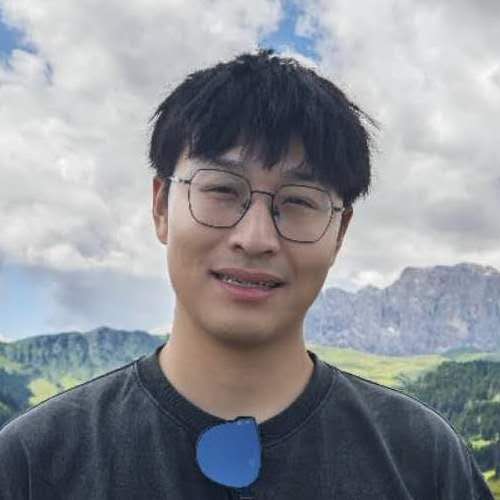 Yunfeng Zhu |
Yunfeng Zhu is currently a PhD student in Prof. Wei Chen’s lab at the School of Biomedical Engineering, University of Sydney. His research focuses on sleep monitoring and analysis using non-invasive and wearable sensor systems. In particular, he works on sleep stage classification and arousal detection, aiming to improve the accuracy and robustness of automated sleep analysis systems through advanced signal processing and machine learning methods. |